 Skip to main content
What to Do in January to Avoid Pest Problems All Year
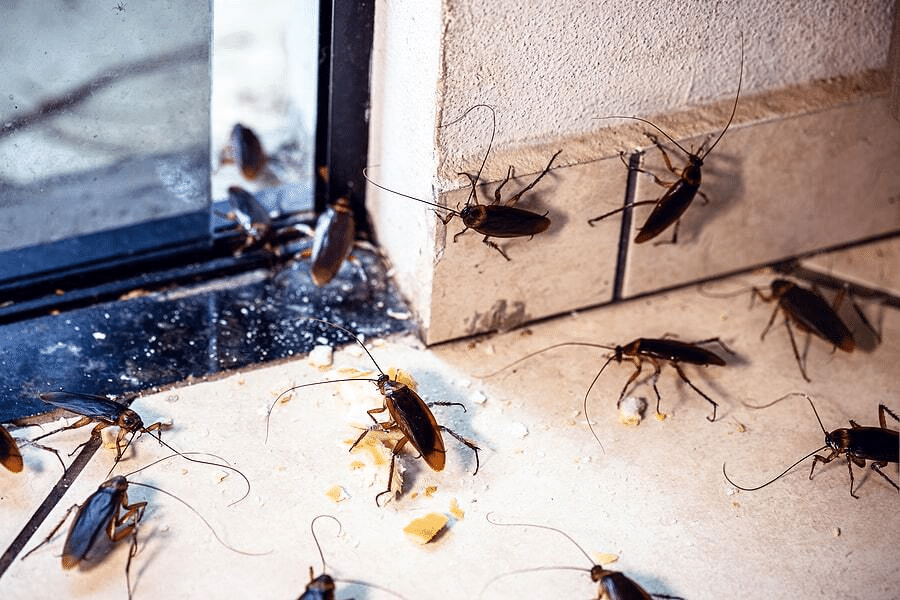
January might feel like the quietest month for pests, but it is actually one of the most important times of the year for prevention. What you do now can determine whether your home stays protected or turns into a pest hotspot once spring arrives.
At CalPro Pest Control, we see it every year. Homes that take preventive steps in January experience fewer infestations, lower treatment costs, and fewer emergency calls later on.
This guide walks you through exactly what to do in January to reduce pest pressure for the rest of the year.
Why January Is the Best Time for Pest Prevention
Most pests do not disappear in winter. They relocate.
Rodents, ants, cockroaches, spiders, and overwintering insects move indoors to escape cold temperatures. Once inside, they establish nesting areas that become active breeding zones in spring.
January offers three advantages:
- Pests are concentrated, making them easier to identify
- Structural issues are more visible without landscaping cover
- Preventive treatments last longer before peak pest season
This is why proactive homeowners start now.
1. Inspect and Seal Entry Points Before Spring
Even small gaps can become major access points.
Focus on:
- Foundation cracks
- Utility line openings
- Window and door frames
- Attic vents and crawl space access
- Garage door seals
Cold weather causes materials to contract, making gaps more noticeable in January.
Pro tip: If light can pass through a gap, pests can, too.
Sealing now prevents rodents and insects from establishing indoor nests that multiply later.
2. Reduce Indoor Shelter Opportunities
Pests stay where they feel undisturbed.
January is ideal for:
- Decluttering storage areas
- Organizing garages and sheds
- Reducing cardboard (a favorite nesting material)
- Elevating stored items off the floor
Rodents and cockroaches thrive in quiet, cluttered spaces. Removing shelter removes the reason they stay.
3. Eliminate Moisture Sources
Moisture attracts pests year-round, even in winter.
Check for:
- Leaking pipes
- Condensation in bathrooms and kitchens
- Poor crawl space ventilation
- Standing water near foundations
January rains can quietly create conditions that lead to spring infestations of ants, roaches, and termites. Fixing moisture issues now disrupts pest life cycles before they accelerate.
4. Schedule a Professional Pest Inspection
DIY checks help, but they rarely catch everything.
A professional January inspection identifies:
- Hidden nesting activity
- Structural vulnerabilities
- Early termite indicators
- Rodent entry patterns
- Conditions attracting future infestations
Early detection prevents costly damage and emergency treatments later in the year. At CalPro Pest Control, inspections focus on prevention first, not just active infestations.
5. Address Termite Risk Before Swarming Season
Termites do not wait for warm weather to cause damage.
January is the right time to:
- Assess wood-to-soil contact
- Identify moisture-related risk zones
- Schedule preventative termite treatments
- Plan structural repairs that deter infestations
The termite swarming season comes quickly in spring. January preparation keeps your home protected before activity spikes.
6. Refresh Your Yard and Exterior Areas
Outdoor conditions directly affect indoor pest pressure.
In January:
- Trim vegetation away from structures
- Remove debris near foundations
- Store firewood at least 20 feet from the home
- Ensure proper drainage away from the house
Even dormant landscaping can harbor pests preparing to move indoors.
7. Consider a Year-Round Pest Protection Plan
One-time treatments often miss long-term patterns.
A year-round plan provides:
- Ongoing monitoring
- Seasonal treatment adjustments
- Early detection before infestations grow
- Peace of mind during peak seasons
January enrollment allows treatments to begin before pests become active, rather than waiting to react after problems appear.
Eco-Friendly Pest Prevention Starts Early
Preventive care reduces the need for aggressive treatments later.
By sealing entry points, managing moisture, and monitoring activity in January, you:
- Minimize chemical exposure
- Protect pets and children
- Reduce environmental impact
- Maintain a healthier living environment
This aligns with CalPro’s commitment to family-safe and eco-friendly pest control solutions.
Common Pests That January Prevention Helps Stop
January prevention helps reduce:
- Rodent infestations
- Ant invasions
- Cockroach activity
- Spider nesting
- Termite damage
Most of these pests begin inside months before homeowners notice them.
FAQs
Why We Think This Is Important
Most pest problems are not sudden. They build quietly over time.
January gives homeowners a rare opportunity to interrupt pest activity before it escalates, protecting both property and peace of mind. Proactive prevention is simpler, safer, and far more cost-effective than emergency treatments later in the year. If you want your home protected all year, the work starts now.