 Skip to main content
What Are the Most Common Pests Found in Commercial Properties in Sacramento
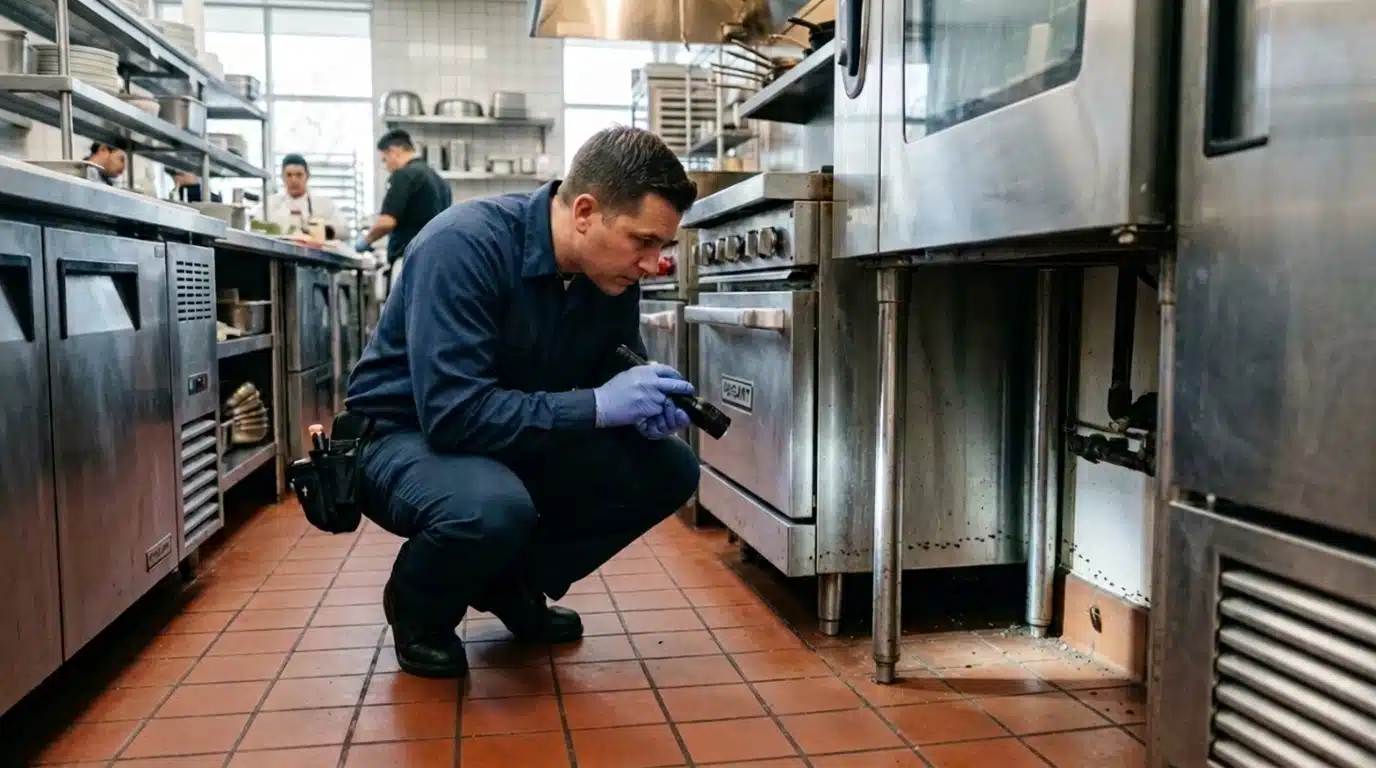
Pest problems can affect restaurants, offices, warehouses, retail stores, and other commercial spaces in different ways. Food, moisture, storage areas, deliveries, and waste can all create conditions that allow pests to enter and remain active.
Understanding which pests businesses may encounter can help owners and managers recognize potential problems earlier. For businesses dealing with pest activity, commercial pest control services in Sacramento can help identify the source of the problem and determine an appropriate approach for the property.
Why Commercial Properties in Sacramento Can Attract Pests
Sacramento’s hot, dry summers and cooler, wetter winters create changing conditions around commercial properties throughout the year. Irrigated landscaping, drains, shaded areas, dumpsters, and other sources of food or moisture can make areas around business properties attractive to pests.
The way a property operates can add to these risks. Restaurants may have food residue, drains, and waste areas, while warehouses often have loading doors, pallets, stored goods, and quiet spaces where pests can remain unnoticed. Open service doors, utility gaps, and frequent deliveries can also provide ways for pests to enter. The level of risk depends on the type of business, the building, and its surrounding conditions.
Common Pests Found in Sacramento Commercial Properties
Cockroaches
Cockroaches are a concern because they can spread quickly once established and may contaminate surfaces or food handling areas. Their ability to remain hidden can also allow a problem to develop before it becomes obvious.
Rats and Mice
Rodents can damage packaging, stored materials, insulation, and wiring. They may also contaminate areas with droppings and urine, which can create sanitation concerns for businesses.
Ants
Ants can form large colonies and repeatedly enter commercial spaces while searching for resources. Some species can become persistent once they establish trails between a nesting area and a reliable food source.
Flies
Flies can create sanitation concerns, particularly in businesses that handle food or organic waste. Their presence can also affect how customers and employees perceive the cleanliness of a property.
Spiders
Spiders may become noticeable when webs begin appearing around a property or when insect activity provides a steady food source. While many spiders are harmless, frequent sightings may indicate broader pest activity nearby.
Termites
Termites are primarily a structural concern because they feed on cellulose materials, including wood. Undetected activity can lead to gradual damage, making timely identification especially important for affected properties.
Other Pests
Depending on the property and surrounding environment, businesses may also encounter wasps, hornets, fleas, ticks, bed bugs, beetles, and other occasional pests.
Where Pest Problems Commonly Develop in Commercial Buildings
Certain areas of a commercial property can provide easier access, shelter, or conditions that allow pest activity to remain unnoticed.
- Kitchens and Break Rooms: Food residue, spills, stored ingredients, and frequent activity can make these areas vulnerable to pests.
- Storage Areas: Boxes, inventory, and undisturbed spaces can provide hiding places where pest activity may be difficult to notice early.
- Loading and Delivery Areas: Frequently opened doors and incoming shipments can create opportunities for pests to enter the building.
- Trash and Waste Areas: Food waste, overflowing containers, and poorly maintained disposal areas can attract a range of pests.
- Restrooms and Utility Areas: Plumbing, drains, and moisture can create suitable conditions for pests that seek damp environments.
- Exterior Entrances and Rooflines: Gaps around doors, vents, utility openings, and other exterior access points can allow pests to enter commercial buildings.
Signs of Pest Activity Business Owners Should Watch For
Early signs can vary depending on the pest involved. Business owners and staff should watch for:
- Droppings or urine stains in storage areas, cabinets, along walls, or other less disturbed spaces.
- Gnaw marks or damaged materials on packaging, wiring, insulation, furniture, or other surfaces.
- Damaged food packaging or stored products that may indicate pest activity around inventory or supplies.
- Live or dead insects appearing regularly in the same areas or in greater numbers than usual.
- Mud tubes or visible wood damage that may indicate possible termite activity in or around the building.
- Repeated pest sightings in different parts of the property or during normal business hours.
New or recurring signs should be monitored closely, especially when activity begins appearing in multiple areas of the property.
How Businesses Can Reduce the Risk of Pest Problems
Reducing pest risks starts with limiting the conditions that make a commercial property easier for pests to enter, hide, or find food and moisture. Businesses can improve sanitation, store food and materials properly, remove waste regularly, repair leaks, maintain doors, and seal visible gaps around the building.
Routine checks of storage areas, exterior spaces, plumbing, and other higher-risk zones can also help identify concerns earlier. Because pest risks vary from one property to another, a commercial pest management approach should reflect the building, daily operations, and pest pressures present.
For professional support with pest activity at your commercial property, contact CalPro Pest Control to discuss a pest control plan tailored to your Sacramento business.