 Skip to main content
How to Tell If You Have a Rodent Problem in Your Home
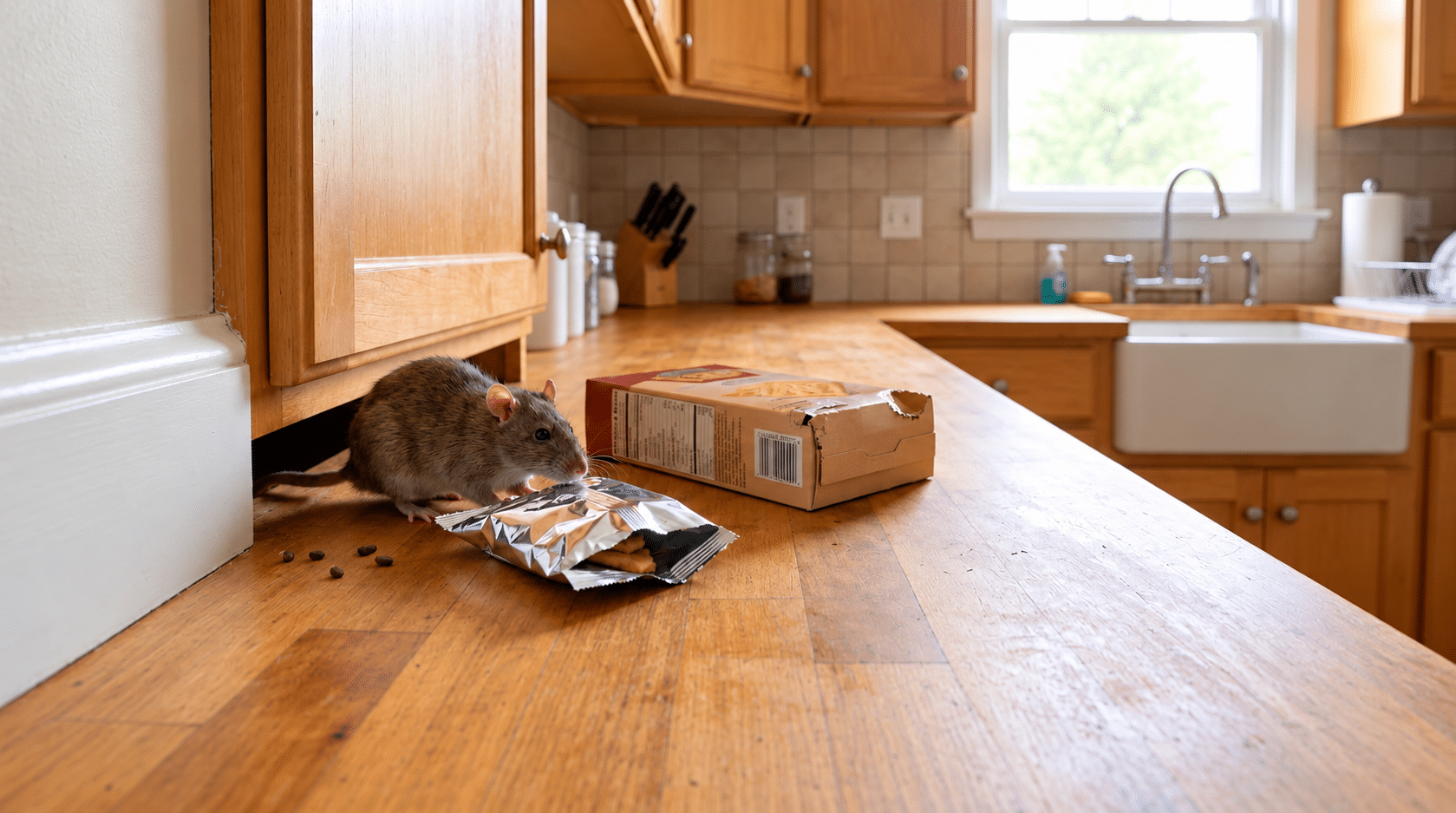
Rodents can live in a home without being seen, especially behind walls or above ceilings. A strange noise at night or damaged food packaging may seem minor, but several clues together can point to unwanted activity.
If you are considering rodent pest control in Sacramento, knowing what to look for can help you recognize a possible problem early. These signs and inspection tips can help you decide what to do next.
What Are the Early Signs of a Rodent Problem?
Several warning signs can indicate rodent activity in your home. Here are some key indicators to look for:
Rodent Droppings Around the Home
Small, dark droppings in cupboards, drawers, or along walls can indicate that rodents have entered the property. Mouse droppings are generally smaller than rat droppings, but size alone cannot identify the species. Notice whether droppings appear in several areas. Avoid touching or disturbing them during your inspection.
Scratching or Scurrying Noises in Walls and Ceilings
Mice and rats often move around when the house is quiet, so scratching, rustling, or scurrying sounds may be easier to hear at night. Noises may come from ceilings, wall cavities, or spaces beneath floors. Still, sounds alone cannot confirm rodents because other animals or household systems may sound similar.
Gnaw Marks and Damaged Food Packaging
Rodents chew to keep their teeth worn down and may leave marks on wood, cardboard, plastic, or stored items. Torn food bags and chewed boxes can be useful clues, although damage alone does not prove rodents are responsible.
Nesting Materials in Hidden Areas
Rodents may build nests using shredded paper, fabric, insulation, or other soft materials. Collections of these materials behind boxes can suggest nesting. Do not disturb a suspected nest, as it may contain contaminated waste.
Unusual Odors, Grease Marks, and Tracks
A persistent musky smell can sometimes accompany rodent activity, particularly in enclosed spaces. Rats may also leave dark smudges where their bodies repeatedly brush against walls or pipes. In dusty areas, small footprints or tail marks can provide another clue. Consider these clues alongside other evidence.
Where Should You Check for Rodent Activity?
Begin with places that offer access to food, warmth, or shelter. A basic visual check does not require opening walls or entering unsafe spaces.
- Kitchens and pantries: Look around the backs of cabinets, under sinks, and near stored food.
- Behind appliances: Check visible gaps near refrigerators, stoves, and laundry equipment without moving heavy appliances.
- Attics and crawl spaces: From a safe, accessible location, look for damaged insulation or nesting materials.
- Garages and storage areas: Examine the edges of shelving, boxes, and stored belongings.
- Exterior walls: Note visible gaps near utility lines, doors, vents, and the foundation that could provide access.
How Can You Tell If Rodents Are Still Active?
Finding an old nest or gnaw marks does not always mean rodents are currently living in your home. Ongoing activity is easier to suspect when you hear recurring movement, notice new damage, or find evidence in places that were previously clear.
For example, repeated nighttime sounds from one wall, together with recent damage nearby, warrant closer investigation. A professional can help determine whether rodents are present and where they travel.
What Should You Do If You Suspect Rodents?
Start by limiting access to food and reducing opportunities for rodents to move through the home. Store pantry items and pet food in secure containers, close garbage bins, and avoid leaving food out overnight.
If you find droppings or nesting materials, avoid sweeping or vacuuming them, as this can release contaminated particles into the air. Instead, wear gloves, thoroughly wet the affected area with a suitable disinfectant, and carefully remove the waste. Extensive contamination or difficult areas may require professional cleanup.
Get Professional Help for Rodent Problems
If signs of rodent activity continue, unusual noises come from inaccessible spaces, or you suspect rodents in multiple areas, professional assistance may be necessary. A trained technician can inspect potential entry points, assess the extent of the problem, and recommend appropriate control measures.
Addressing a suspected rodent problem early can help reduce the risk of property damage and contamination. For Sacramento homeowners seeking professional pest control services, CalPro Pest Control offers rodent control treatments tailored to the property’s needs. Contact our team to schedule an inspection.