 Skip to main content
How Termite Inspections and Ongoing Pest Control Work Together
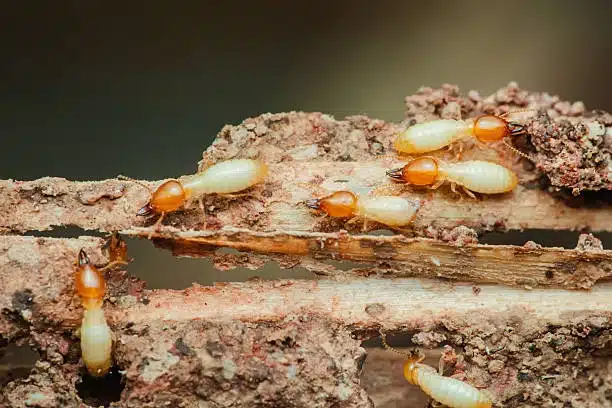
Termites can be harder to notice than many household pests because they often remain hidden while feeding on wood and other cellulose materials. A termite inspection specifically looks for signs of termite activity and conditions that may support it, while ongoing pest control services focus on a broader range of common pests. Together, they provide a more complete approach to pest management.
What a Termite Inspection Helps Identify
A professional termite inspection looks for visible evidence of termites and conditions that could make a property more vulnerable. The inspector may examine accessible structural areas, wood components, foundations, and other places where termite activity is likely to appear.
During the inspection, the inspector may look for signs such as mud tubes, damaged wood, or live termites. They may also note moisture problems, wood-to-soil contact, or other conditions that can make it easier for termites to reach the structure. These findings help show whether termite activity is present and whether further treatment or preventive action may be needed.
What Ongoing Pest Control Helps Manage
Ongoing pest control takes a broader view of pest activity around a property. Regular service can help manage ants, spiders, roaches, rodents, wasps, and other common pests, depending on the service plan and current needs.
Recurring visits provide opportunities to notice new entry points, nesting activity, exterior pest pressure, or conditions that may attract pests. This can help address developing problems earlier. Termite protection, however, should remain a specific part of the plan rather than being assumed to come with every general pest service.
How Termite Inspections and Pest Control Support Each Other
Termite inspections and ongoing pest control work best when they are treated as connected parts of a long-term pest management approach. A termite inspection focuses closely on signs of termite activity, damage, and conditions that may make the property more vulnerable. Pest control, on the other hand, helps manage a wider range of pests that may enter or live around the property and addresses the conditions that allow those problems to continue.
The two services become more effective when the information from one helps guide the other. This creates a more complete approach than relying on either service alone. Termite inspections provide focused information about one of the most difficult pests to detect, while regular pest control helps manage broader pest pressure and changing conditions throughout the year.
Together, they allow pest concerns to be addressed according to the type of pest involved instead of using one service as a solution for every problem.
When Should Termite Inspections Be Added to a Pest Control Plan
A termite inspection can be useful even when routine pest control is already in place. It becomes especially important when signs or property conditions suggest termites may require a closer look.
Consider scheduling an inspection when you notice:
- Mud Tubes: Soil-like tubes along foundations or walls can indicate termite travel routes.
- Discarded Wings: Piles of wings near windows or doors may appear after termite swarmers emerge.
- Wood Damage: Blistered, weakened, or hollow-sounding wood may require further investigation.
- Moisture Concerns: Leaks, damp areas, or drainage problems can create favorable conditions for termites.
- Previous Activity: A history of termites may make continued inspection and monitoring worthwhile.
Inspections can also be preventive rather than triggered by visible evidence. Regular termite evaluations can help identify developing concerns before obvious damage becomes noticeable.
Final Thoughts
Keeping termites and other pests under control often requires more than one type of service. Ongoing pest control helps manage common pest activity around the property, while termite inspections provide a closer look at signs that may otherwise go unnoticed. Including both in a pest management plan can make it easier to identify concerns early and respond with the right type of treatment or preventive action.
CalPro Pest Control provides pest management along with termite inspection and treatment services. Our team can help match services to the property’s current pest concerns and ongoing protection needs. Schedule an inspection to build a pest management plan suited to your property.