 Skip to main content
How Local Pest Conditions Influence Pest Treatment Strategies in Sacramento
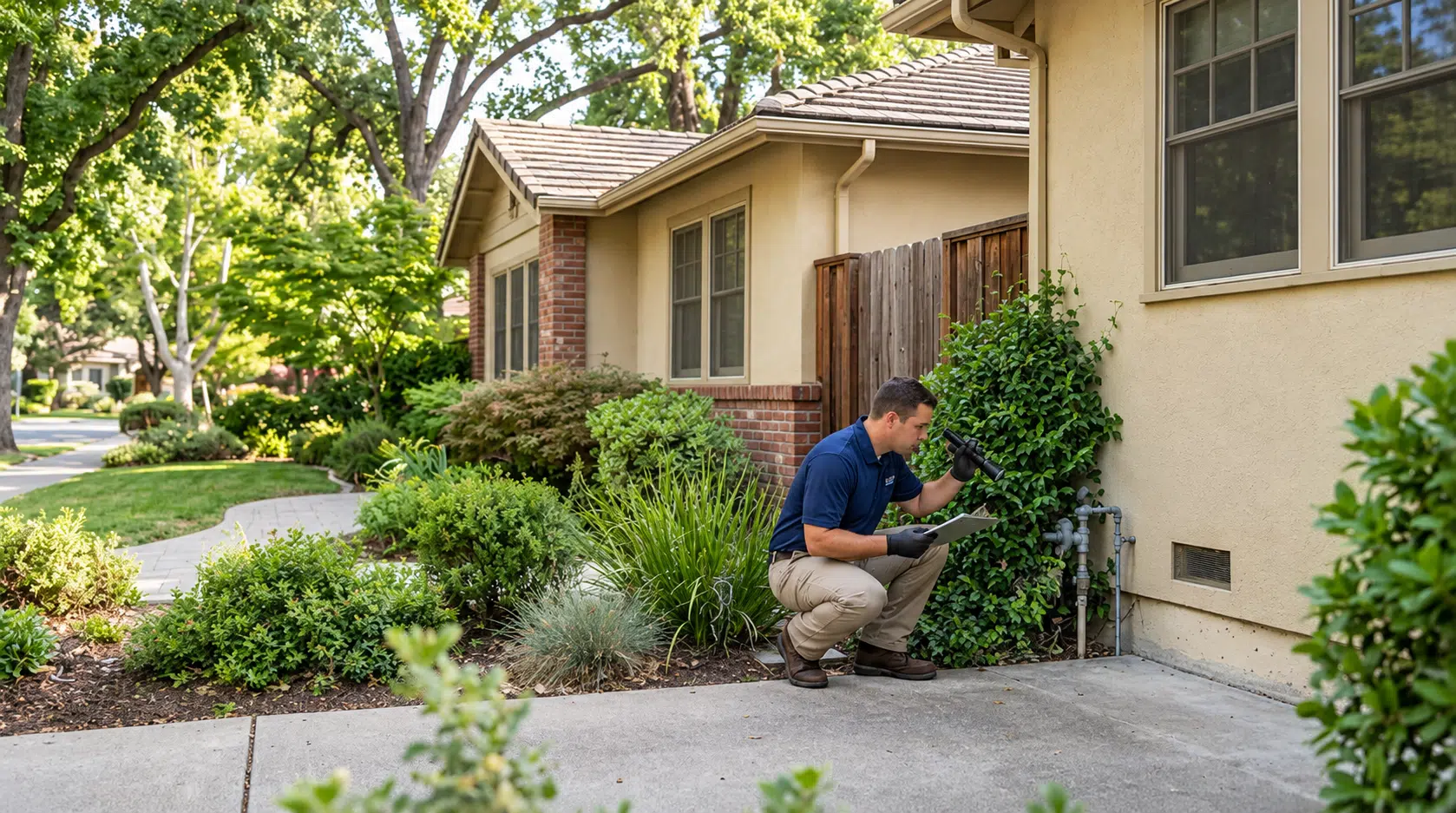
Pest problems can appear similar from one property to another, but the right response depends on what is happening in the surrounding area. A treatment that works well in one part of Sacramento may need to be adjusted elsewhere because local pest pressure can vary across the region.
For effective pest control in Sacramento, CA, understanding the local setting can help guide inspection and treatment decisions. This article explains how conditions across the Sacramento area can influence pest activity and why those differences matter when planning a treatment strategy.
Why Pest Conditions Vary Across the Sacramento Area
Pest pressure can vary within the same region because pests respond to the conditions available around them. Access to food, water, shelter, and suitable nesting areas can make one location more favorable than another.
In Sacramento, differences in surrounding habitat and development can change how easily certain pests find those resources. This does not mean every area has a completely different pest population, but local conditions can influence where particular pests are more likely to become active.
How Sacramento’s Geography Can Affect Pest Activity
Sacramento County includes several distinct environments, each of which can create different conditions for pest activity.
River and Delta Areas
The Sacramento Delta includes waterways, sloughs, farmland, vegetation, and rural communities. These surroundings can create different pest conditions from those found in more developed parts of the region.
Dense vegetation near rivers and streams can provide shelter and travel routes for roof rats, especially where trees and shrubs provide continuous cover around a property. As a result, properties in these environments may experience different rodent pressures than those in areas with less vegetation and fewer natural corridors.
Established Tree-Lined Neighborhoods
Older Sacramento neighborhoods often contain mature trees, shrubs, fences, and established landscaping. These features can create sheltered routes that allow certain pests to move between outdoor areas and nearby structures.
Roof rats are strong climbers and may use trees, fences, utility lines, and dense vegetation as travel routes. Some ant species may also nest around trees, landscaped areas, or wood.
Foothill and Wooded Communities
The eastern portion of Sacramento County reaches toward the western Sierra Nevada foothills. Properties in these areas are often surrounded by more trees, natural vegetation, and exposed wood than properties in denser urban settings.
These conditions can be particularly relevant for carpenter ants, which commonly establish nests in trees, stumps, decayed wood, and other wooden materials where suitable shelter is available.
Dense Urban and Multifamily Areas
Dense urban areas can create pest conditions that differ from those around detached homes. Apartments and other multifamily buildings may have shared walls, plumbing lines, kitchens, storage areas, and waste collection points.
German cockroaches are especially relevant in these environments because they live and reproduce indoors near food, moisture, and sheltered spaces. In connected buildings, they can also move through wall voids, utility openings, and other shared areas between units.
Rural and Agricultural Areas
Sacramento County also includes farmland, rural communities, ranches, and properties with outbuildings or larger outdoor spaces.
These environments can give rodents access to vegetation, stored materials, animal feed, gardens, sheds, and other reliable food or shelter sources. Roof rats may also be found around citrus and nut orchards, where trees and available food can support their activity.
Sacramento’s Climate and Its Effect on Pest Pressure
Sacramento’s hot, dry summers and cooler, wetter winters can change pest activity throughout the year.
- Hot, dry weather: Ants may move indoors in search of water, food, and cooler shelter.
- Cooler, wetter conditions: Moisture can disturb outdoor nesting areas and push some pests toward protected spaces.
- Warmer spring and summer months: Wasps become more active as colonies develop and grow through the season.
For homeowners considering residential pest control in Sacramento, understanding these seasonal patterns can help you know which pest problems may become more likely at different times of the year and take preventive steps before activity increases.
Property-Specific Conditions That Shape a Pest Treatment Strategy
Regional geography and climate provide useful context, but conditions at the individual property also influence the treatment approach.
Pest activity, entry points, moisture, landscaping, nearby structures, exterior storage, and available food or shelter can all affect where pests become established. The pest species and its behavior also matter because roof rats, carpenter ants, cockroaches, and wasps use properties in different ways.
Considering these factors together helps determine which areas need attention and which control methods are most appropriate for the situation.
How Pest Professionals Adapt Treatment to Local Conditions
Treatment begins with identifying the pest and understanding how it is using the property. Roof rat activity may lead technicians to focus on elevated travel routes and access points, while German cockroach activity may require closer attention to connected indoor spaces, food sources, and moisture. Carpenter ants may call for inspection around wood and nearby nesting areas.
The surrounding conditions also influence the response. Depending on what is contributing to the problem, treatment may include targeted applications, exclusion, sanitation recommendations, vegetation management, or steps that reduce access to food, water, and shelter.
Monitoring helps show whether activity has changed after treatment. The approach can then be adjusted as seasonal patterns, pest pressure, or property conditions change.
Final Thoughts
Pest treatment works best when it reflects the pest, the property, and the conditions influencing activity around it. A local approach can help make treatment more targeted instead of relying on the same response for every situation.
If you need pest control services in Sacramento, CalPro Pest Control can assess the pest activity at your property and recommend a treatment approach based on the conditions present. Contact the team to schedule an inspection or learn more about available pest control options.