 Skip to main content
Why Pest Control Treatments Are Different for Every Home
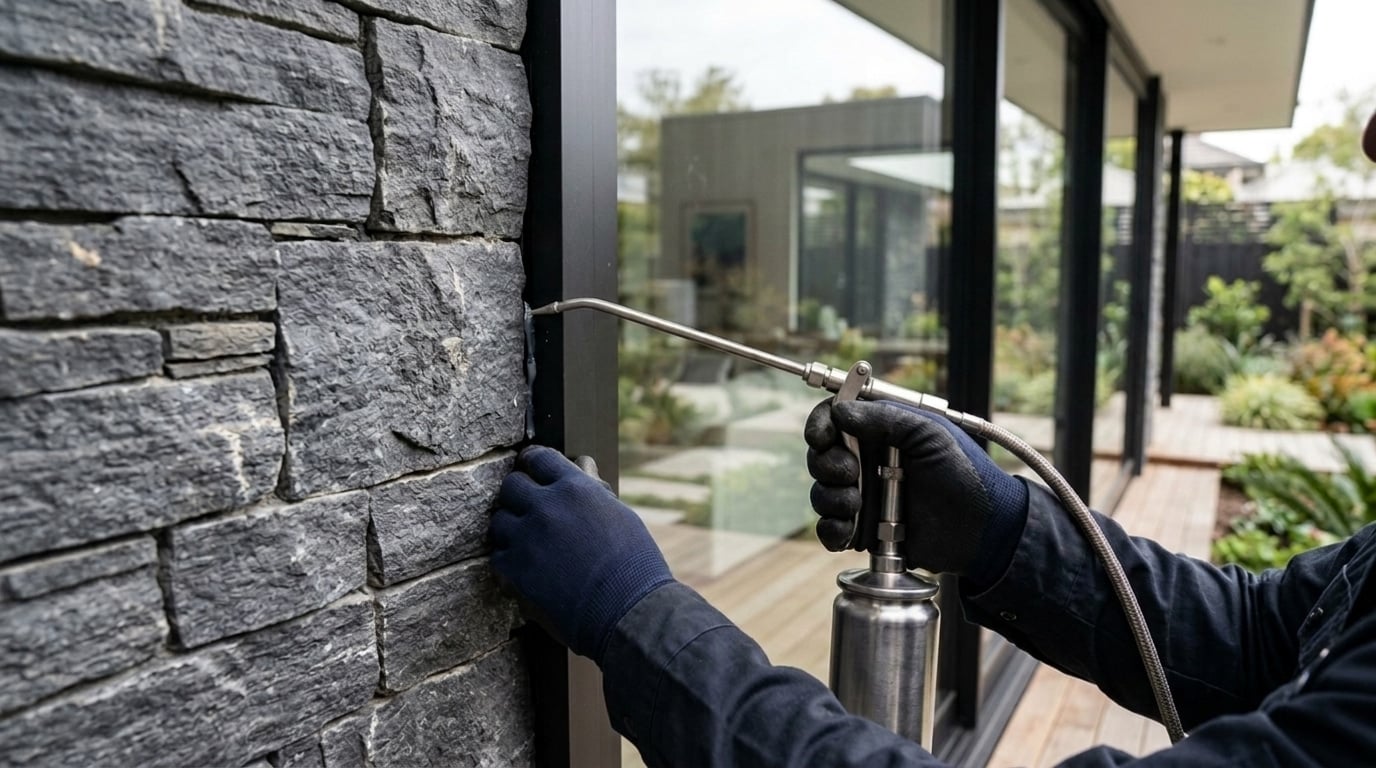
Pest treatments may look simple from the outside, but several decisions are made before a technician applies a product or places a control device. The process can vary depending on what is happening at the property and what is needed to manage the problem effectively.
For homeowners seeking pest control in Sacramento, CA, understanding these differences can make the treatment process easier to follow. The sections below explain the main factors that influence how a pest control plan is developed.
Why a Standard Treatment Does Not Suit Every Property
Sacramento homes can face pest activity throughout the year due to hot summers, mild winters, seasonal rain, and nearby vegetation. However, pest pressure can vary between neighborhoods and properties, even when homes are located close together.
A standard treatment may overlook the conditions that are specific to the individual property. The approach should therefore be based on the findings at the home rather than following the same routine for every service.
Key Factors That Shape a Pest Control Treatment Plan
The Severity of the Infestation
Pest activity may be limited in one home but well established in another. A few recent sightings may require a focused response, while activity across several rooms may call for broader treatment.
The extent of the problem can affect the number of areas treated, the methods used, and whether follow-up service is needed.
Where Pest Activity Is Found
Ant activity may be concentrated near the kitchen in one home, while another property may show activity around the foundation, patio, or utility lines.
The location affects which areas need attention and how the treatment is applied. Identifying the main activity zone also helps avoid treating parts of the property where there are no signs of a problem.
The Home’s Layout and Construction
The way a home is built can affect how pests move and where they remain hidden. One property may have an open crawl space, while another may include shared walls, an attached garage, or several roof access points.
These structural differences can change how the property is inspected, which areas are accessible, and where treatment may need to be applied. The plan should therefore account for the design and construction of the individual home.
Conditions That Support Pest Activity
The conditions allowing pests to remain can also vary. One home may have a plumbing leak, while another may have accessible food, standing water, uncovered waste, or dense vegetation near the exterior.
These findings influence the recommendations provided alongside treatment. The changes needed at one property may be completely different from those suggested for another.
Children, Pets, and Household Concerns
The way residents use the home can affect the treatment plan. A household with young children or pets may require careful product placement and additional preparation steps.
Other homes may have sensitive residents, restricted rooms, or scheduling concerns. These details can influence where treatment is applied and what instructions are provided before and after service.
Previous Pest Control Treatments
Treatment history can also change the next step. One property may be receiving professional service for the first time, while another may have already used several products with limited results.
Earlier applications may have reduced activity in certain areas or changed where pests are appearing. Reviewing that history helps the technician avoid repeating an ineffective approach.
Why a Thorough Inspection Matters Before Treatment
An inspection gives the technician a clearer understanding of the property before products or control methods are selected. It helps confirm the pest species, locate active areas, identify entry points, and assess conditions that may support the infestation.
This process also helps separate current pest activity from old damage or inactive signs. For example, droppings, nesting materials, or damaged wood may remain after pests are no longer present.
A Targeted Approach for Your Home
A suitable pest control plan should reflect the pest problem and the property where it is occurring. The inspection findings, household needs, structural features, and surrounding conditions all help guide the treatment.
CalPro Pest Control provides pest control services in Sacramento, CA, for a range of common household pests. Each service starts with an evaluation of the property, current pest activity, and conditions that may be contributing to the problem. This helps keep the treatment focused on the needs of the individual home rather than following a standard plan.