 Skip to main content
Why Regular Pest Control Matters for Rental Properties
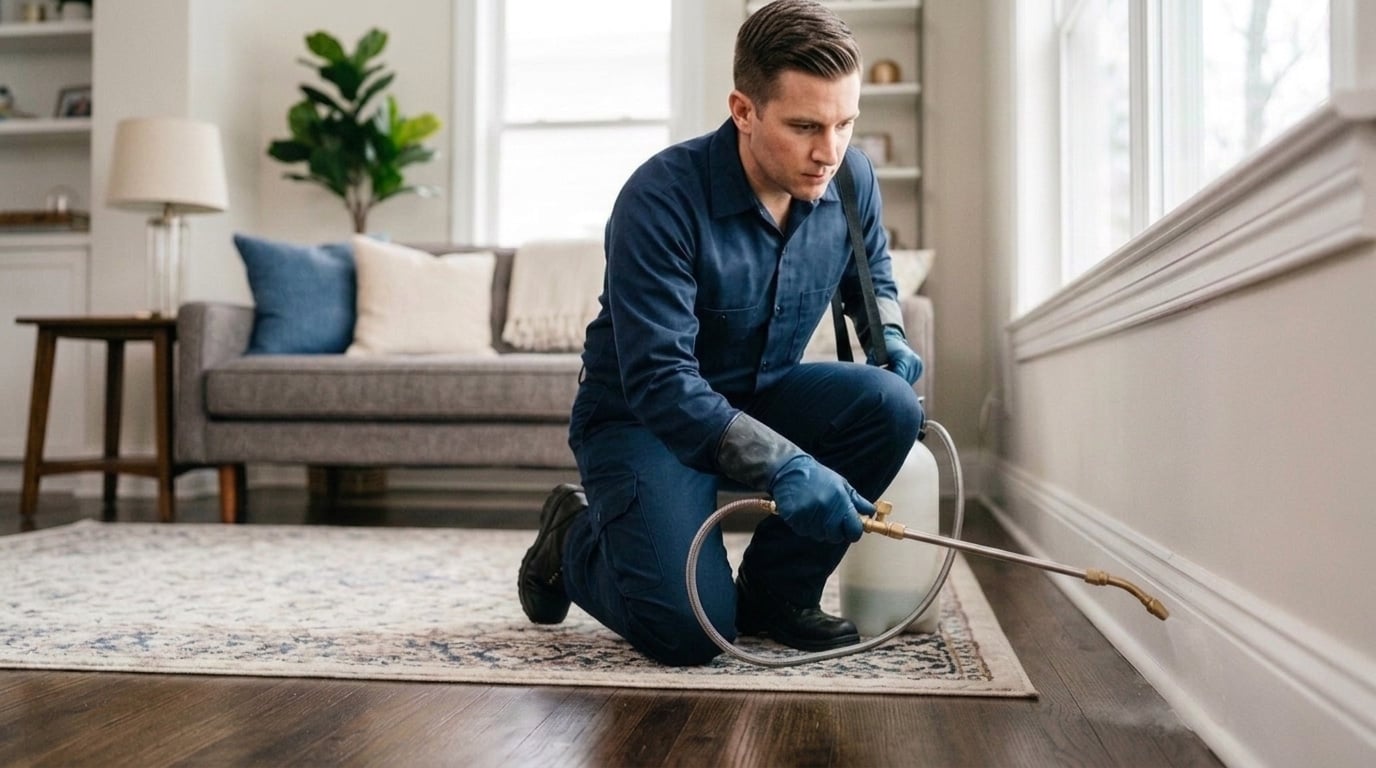
Rental properties need steady care to stay clean, comfortable, and ready for tenants. Pest problems can affect the way people feel inside a home, apartment, or multi-unit property. They can also create extra work for landlords and property managers. Regular pest control in the Sacramento area helps reduce these risks before small pest activity turns into a larger concern.
For rental properties, pest control should not only happen after a tenant reports a problem. A regular service plan can help protect the property, support tenant satisfaction, and make property management easier over time.
Rental Properties Are More Prone to Pest Problems
Rental properties can face higher pest risk because conditions may change from one tenant to another. Common reasons include:
- Changing occupancy: Move-ins, move-outs, and vacancy periods can leave gaps in cleaning, maintenance, or inspection routines.
- Different cleaning habits: Each tenant may manage food storage, trash, pet areas, and daily cleaning differently, which can affect pest activity.
- Shared spaces: Apartments, duplexes, and multi-unit rentals may have shared walls, crawl spaces, garages, patios, or trash areas where pests can move or hide.
- Easy entry points: Gaps around doors, windows, vents, pipes, and utility lines can give pests a way into the property.
- Outdoor attractants: Overgrown landscaping, standing water, pet waste, and uncovered trash bins can draw pests closer to the building.
When pest control is handled regularly, property owners have a better chance of finding early signs before the issue spreads.
Common Pests Found in Rental Properties
Different pests can appear in rental homes depending on the season, property layout, tenant habits, and surrounding conditions. Common pests include:
- Ants: Ants are often found near kitchens, bathrooms, patios, trash areas, and small entry points around the property.
- Cockroaches: Cockroaches may appear where food crumbs, moisture, clutter, or hidden gaps give them places to feed and hide.
- Spiders: Spiders can collect in garages, corners, closets, storage areas, exterior lights, and other quiet spaces.
- Rodents: Mice and rats can enter through small openings and may look for food, warmth, and nesting areas inside or around the property.
- Fleas and ticks: Fleas and ticks can become a concern in properties with pets, lawns, shaded areas, or outdoor spaces.
- Wasps: Wasps may build nests around eaves, fences, sheds, patios, rooflines, and other exterior areas.
Knowing which pests are common helps landlords and property managers respond with the right level of care instead of waiting for repeated complaints.
The Impact of Pest Problems on Tenants
Pest problems can make tenants feel uneasy in a rental property. Ants in the kitchen, spiders in storage areas, or rodents near living spaces can affect daily comfort. Tenants may worry about cleanliness, food safety, bites, droppings, odors, or pests spreading to personal belongings.
When pest concerns continue, tenants may submit repeated complaints or feel the property is not being maintained well. They may avoid certain rooms, patios, closets, or storage areas. Over time, this can weaken trust in the property manager and may affect lease renewal decisions.
Property Damage Caused by Pests
Some pests can affect the physical condition of a rental property. Rodents may chew wires, insulation, stored items, or building materials. They can also leave droppings in hidden areas. Cockroaches and ants can contaminate food areas and create sanitation concerns.
Moisture-related pests can also point to leaks, poor drainage, or other maintenance issues. If these problems are ignored, repair costs can increase. Regular pest checks can help identify conditions that attract pests, such as gaps, damp areas, damaged screens, or overgrown landscaping.
Pest control is one part of protecting the property. It works best when it is paired with regular maintenance and quick repairs.
Small Pest Issues Can Quickly Spread
A few ants in the kitchen or one rodent sighting may seem minor at first. In rental properties, small issues can grow faster because several people may use the space in different ways. A tenant may not report the first sign right away, or they may try a temporary store-bought solution that does not address the source.
When pests are allowed to spread, treatment can become harder. It may require extra visits, stronger action, and added coordination with tenants. Regular inspections and scheduled service can help reduce this risk by catching activity earlier.
Early action is especially important in multi-unit buildings. Pest movement from one unit to another can create larger problems for landlords and property managers.
Pest Prevention Tips for Rental Properties
Landlords and property managers can reduce pest risks between professional visits by following a few simple steps:
- Seal gaps around doors, windows, pipes, vents, and utility lines.
- Keep outdoor trash areas clean and make sure bin lids close properly.
- Trim bushes, grass, and branches away from the building.
- Check for leaks under sinks, near water heaters, and around outdoor spigots.
- Repair damaged screens, door sweeps, and weather stripping when needed.
These steps can support routine property care, while professional pest control services in Sacramento can help identify entry points, moisture concerns, and outdoor conditions that may attract pests.
Final Thoughts
Rental properties need consistent attention to stay clean, comfortable, and ready for tenants. Pest control plays an important role in tenant comfort, property protection, and easier management. A regular service plan can help reduce sudden pest concerns and give landlords better control over property care.
If you manage a rental home, apartment, or multi-unit property and need pest control support in Sacramento, CA, CalPro Pest Control can help you customize a practical plan for your property.