 Skip to main content
What is Commercial Pest Control: A Complete Guide for Business Owners
What is commercial pest control?
It’s pest management designed for businesses that must follow health codes, protect customers, and keep operations running smoothly. Commercial pest control protects your business from rodents, insects, and other pests that can shut you down, cost thousands in damage, or destroy your reputation overnight.
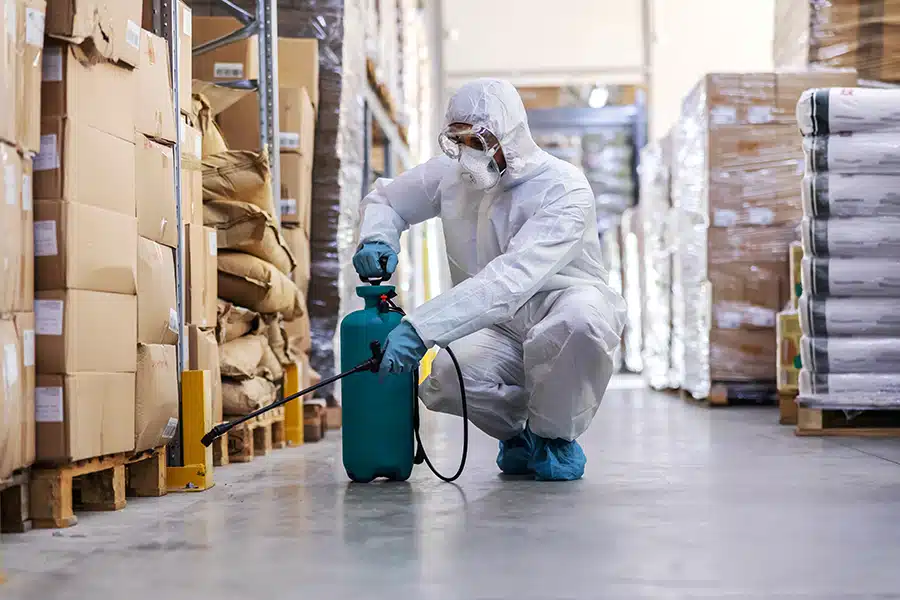
Why Commercial Pest Control Differs From Residential
Unlike home pest control, commercial services handle bigger spaces, stricter regulations, and can’t disrupt business hours. A restaurant needs strategies different from those of a warehouse or medical office.
Key differences include:
- Timing coordination: Treatments are scheduled during off-hours to avoid customer disruption
- Regulatory compliance: Detailed documentation for health inspectors and licensing requirements
- Industry-specific products: Food-safe treatments for kitchens, hospital-grade solutions for medical facilities
- Professional expertise: Technicians trained on FDA, OSHA, and local health department standards
- Emergency availability: Same-day response when pests threaten operations
Industries That Need Professional Pest Management
Food service establishments face the highest risk because one pest sighting can trigger health department investigations. Restaurants, cafeterias, and catering companies need regular service to maintain licensing.
Healthcare facilities require sterile environments where pests can spread infections and contaminate medical supplies. Hotels can’t survive guest complaints about bugs in rooms.
Here’s what happens without proper pest control:
| Problem | Real Cost | Long-Term Impact |
|---|---|---|
| Health Violations | $500–$10,000 in fines | Forced closure, reputation damage |
| Product Contamination | Loss of entire inventory batches | Customer lawsuits, insurance claims |
| Property Damage | Thousands in repair costs | Structural problems, safety hazards |
| Employee Complaints | Lost productivity, turnover | Bad workplace reputation |
Retail stores lose customers when shoppers spot pests. Warehouses storing millions in inventory face rapid destruction from rodent infestations. Manufacturing facilities shut down when pests contaminate raw materials
Most Common Commercial Pest Problems
Commercial buildings attract pests different from those in homes due to size, layout, and business activities. Rodents top the problem list because they reproduce quickly, contaminate everything, and damage expensive equipment.
Cockroaches thrive in commercial kitchens where warmth, moisture, and food scraps create perfect conditions. These insects spread bacteria and trigger immediate health violations.
Ants follow scent trails into break rooms and storage areas. Established colonies number in the thousands and resist DIY treatments.
| Pest Type | Where They Hide | Primary Threats |
|---|---|---|
| Mice/Rats | Storage rooms, basements, wall voids | Disease transmission, property damage, contamination |
| Cockroaches | Kitchens, bathrooms, warm equipment areas | Health violations, customer complaints, reputation damage |
| Ants | Food areas, cracks, electrical boxes | Product contamination, persistent infestations |
| Flies | Entrances, dumpsters, food prep areas | Health code failures, customer dissatisfaction |
| Spiders | Storage areas, unused spaces, corners | Employee concerns, web accumulation, bite liability |
Flying insects create immediate customer satisfaction problems in restaurants and retail environments. Even harmless spiders can create liability issues if employees get bitten.
How Professional Commercial Pest Control Works
Professional service begins with a thorough property inspection to identify current problems and future risk areas. Technicians assess building construction, entry points, moisture issues, and pest attractants.
The service process includes:
- Comprehensive assessment of all areas, including basements, storage rooms, and grounds
- Risk evaluation specific to your business type and industry requirements
- Custom treatment plan designed around your operational schedule
- Professional implementation using commercial-grade products and equipment
- Ongoing monitoring to ensure effectiveness and catch new issues early
- Complete documentation for health inspections and regulatory compliance
Treatment scheduling varies by business type. Restaurants receive service during early morning or late night hours when kitchens close. Retail stores get treatments after hours for thorough coverage without customer disruption.
Optimal treatment schedules:
| Business Type | Best Service Times | Benefits |
|---|---|---|
| Restaurants | Early morning, late night | Full kitchen access, zero contamination risk |
| Retail stores | After closing, before opening | Complete coverage, no customer impact |
| Office buildings | Evenings, weekends | Minimal employee disruption, quiet environment |
| Warehouses | Flexible coordination | Focus on problem areas, operational access |
Service frequency depends on pest pressure, business type, and local regulations. Most properties need monthly or quarterly treatments for effective pest prevention.
Selecting the Right Pest Control Partner
Not every pest control company understands commercial requirements. Look for providers with extensive commercial experience and proper business licensing.
Essential qualifications:
- Commercial licensing (separate from residential certification)
- Comprehensive liability insurance covering business property damage
- Industry-specific experience with businesses similar to yours
- Emergency response capabilities for urgent pest situations
- Regulatory knowledge for your specific industry requirements
Ask detailed questions about their commercial portfolio. How many restaurants do they serve? Do they understand health department regulations? Can they provide an emergency response?
Get written agreements covering service schedules, treatment methods, and response guarantees. Verify licensing with state agencies and check references from similar businesses.
Investment and Cost Considerations
Commercial pest control costs more than residential service due to larger properties, specialized treatments, and frequent visits. Most businesses invest $200-$1,000 monthly, depending on size, pest pressure, and service needs.
Primary cost factors:
- Building size and structural complexity
- Business type and regulatory requirements
- Current infestation severity
- Geographic location and seasonal pest pressure
- Service frequency and treatment methods
Don’t choose based on price alone because cheap service often delivers poor results. Calculate the actual cost of pest problems, including health violations, customer loss, inventory damage, and reputation repair.
A single health department shutdown costs more than years of professional pest control investment.
Why Professional Pest Control Protects Your Business
Commercial pest control isn’t an operating expense – it’s business insurance. Professional pest management protects your reputation, ensures regulatory compliance, and prevents costly emergencies.
Smart business owners invest in prevention before problems develop because crisis management costs far exceed preventive service. Working with experienced professionals means peace of mind knowing your business stays protected from pest-related disasters.
