 Skip to main content
Why Pest Control Always Starts With Inspection
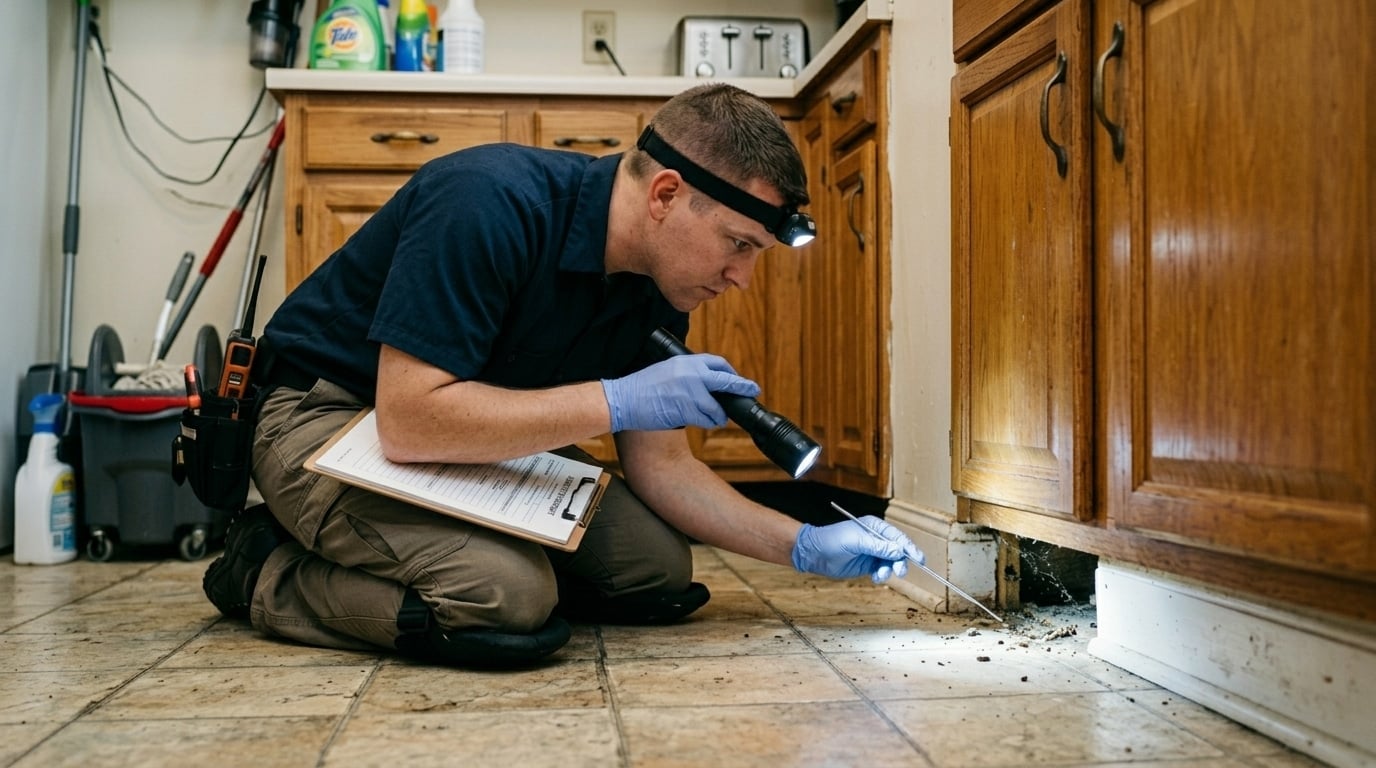
Pests rarely invade property by accident. They are drawn by food, water, warmth, or shelter, and often leave subtle warning signs long before an infestation becomes a serious problem. For effective pest control in the Sacramento area, a detailed inspection is the critical first step. Skipping this stage can lead to recurring issues, ineffective treatments, and unnecessary expenses.
A professional inspection gathers the facts needed to solve the problem correctly. It identifies the pest species, locates nesting and hiding areas, and uncovers the conditions attracting the infestation. With this information, treatment becomes targeted and effective rather than relying on guesswork.
Small Signs Can Indicate Larger Problems
A lone ant on the kitchen counter, faint scratching noises in the attic, or a few droppings behind stored boxes may seem insignificant. However, these signs can point to larger infestations hidden inside walls, crawl spaces, or attic insulation. A thorough inspection helps uncover hidden pest activity in areas that homeowners may rarely access or inspect. Early detection helps minimize damage and reduces long-term treatment costs.
Accurate Identification Leads to Effective Treatment
Different pests require different control methods. Argentine ants often travel along kitchen edges, while odorous house ants prefer damp areas. Subterranean termites build mud tubes between soil and wood, whereas drywood termites live entirely inside wooden structures. Roof rats commonly travel along utility lines and fences, while house mice can enter through openings as small as a pencil’s width.
Correctly identifying the pest allows technicians to select the most effective products, baiting strategies, and follow-up schedules.
Finding Entry Points and Nesting Areas
Pests take advantage of even the smallest structural vulnerabilities. Gaps around utility lines, damaged screens, worn door sweeps, and foundation cracks can all serve as entry points. Exterior vegetation touching the structure often provides a pathway for insects and rodents. Common nesting sites include cardboard storage, insulation, stacked firewood, and leaf debris.
During an inspection, these access points and hiding places are documented so exclusion and sanitation measures can complement treatment efforts.
Inspections Reveal the Full Extent of an Infestation
A few termite swarmers on a windowsill may indicate either a minor issue or a significant colony hidden within structural framing. Similarly, rodent droppings near a water heater could stem from a single entry point or an extensive network of burrows beneath the property.
By identifying hidden activity and affected areas, inspectors can determine the severity of the infestation and recommend an appropriate course of action. This information helps establish realistic expectations regarding treatment timelines, required visits, and overall costs.
Customized Treatment Plans Deliver Better Results
Every property is different in age, design, and environmental conditions. Once inspection findings are collected, technicians can develop a treatment strategy tailored to the specific situation rather than relying on a generic approach.
For example, minor spider activity may only require web removal and a targeted exterior treatment. More severe rodent infestations could involve trapping, exclusion work, and sanitation measures. By basing recommendations on evidence, treatments remain efficient, effective, and environmentally responsible.
Inspections Help Prevent Future Infestations
Inspection reports often identify conditions that increase pest activity, such as standing water, overgrown landscaping, leaking pipes, or improperly stored food. Addressing these factors reduces the likelihood of future infestations long after treatment is complete.
Simple preventive measures, including trimming vegetation, repairing leaks, and storing food in sealed containers, can significantly lower pest pressure around the home.
What to Expect During a Professional Inspection
A typical inspection includes both interior and exterior evaluations. Inside the home, inspectors examine kitchens, bathrooms, laundry rooms, attics, basements, closets, and other areas where pests commonly hide. Outside, they assess foundations, gutters, vents, soffits, roofing components, and landscaping features.
Specialized tools such as borescopes, moisture meters, and monitoring devices may be used to detect hidden activity. The findings are then compiled into a detailed report outlining evidence of pests, areas of concern, and recommended next steps.
When Should You Schedule an Inspection?
It’s best to schedule an inspection as soon as you notice unexplained insect activity, rodent noises, wood damage, sawdust-like debris, or droppings. Inspections are also recommended before purchasing a property, after significant storm damage, and during seasonal transitions when pests seek new shelter.
If DIY treatments continue to fail, a professional inspection can identify the underlying cause and provide a more effective solution.
Start With the Right Foundation
Successful pest control in Sacramento, CA, begins with the insights gained during a thorough inspection. By understanding the pest species, entry points, and nesting behavior, technicians can eliminate infestations more efficiently and safely. Homeowners who start with an inspection often save time, money, and frustration in the long run.
CalPro Pest Control provides inspection-based pest control services that Sacramento homeowners trust for reliable, long-term protection. One professional inspection can turn scattered warning signs into a clear plan for achieving a pest-free home.