 Skip to main content
Why One-Time Pest Control Is Not Always Enough
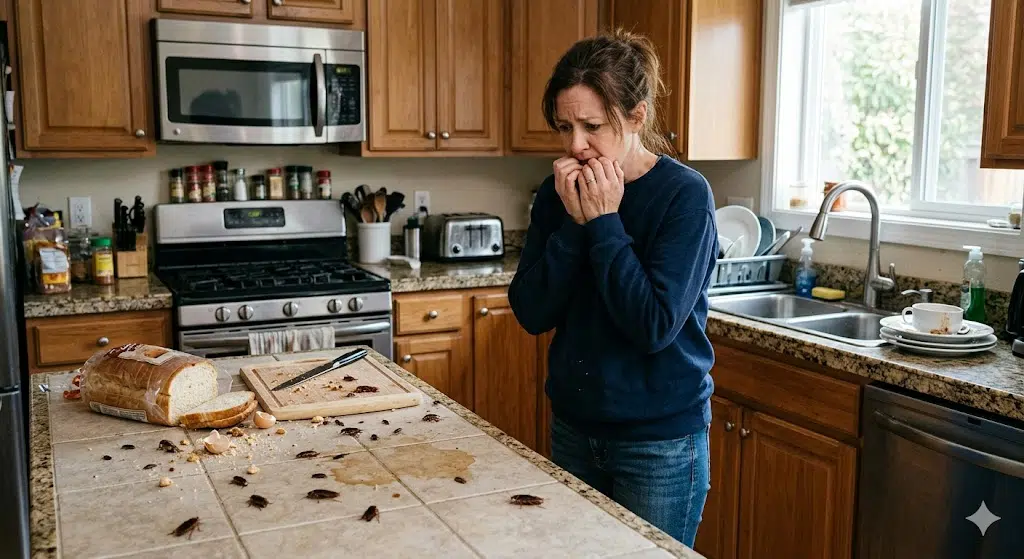
Many property owners believe that a single pest control treatment will completely solve an infestation. While one-time treatments can reduce visible pest activity, they often fail to address the deeper causes of the problem. Pests are highly adaptable, reproduce quickly, and frequently hide in places that are difficult to reach during a single visit.
Regular pest control services provide a reliable approach to keeping infestations under control over time. Ongoing monitoring, preventative measures, and follow-up treatments can help reduce the risk of pests returning and causing further damage to the property.
Understanding How Pest Infestations Develop
Pest infestations rarely happen overnight. Most pests enter properties gradually through tiny cracks, vents, plumbing openings, damaged seals, and poorly maintained areas. Once inside, they search for food, water, warmth, and shelter.
Common factors that contribute to pest infestations include:
- Excess moisture and standing water
- Crumbs, food residue, and uncovered trash
- Cluttered storage areas
- Structural gaps and cracks
- Poor ventilation
- Dark and undisturbed spaces
Pests are extremely resourceful. Even clean and well-maintained properties can experience infestations if preventive measures are not consistently followed.
Why One-Time Pest Treatments Often Fail
Hidden Eggs and Breeding Cycles
One of the biggest reasons pests return after treatment is that many species reproduce rapidly. While adult pests may be eliminated during a treatment, eggs and immature pests often survive.
Without follow-up treatments, these newly developed pests can quickly restart the infestation cycle.
Pests Hide in Difficult Areas
Many pests are experts at hiding. They often remain inside spaces that are not easily accessible during a standard treatment.
Common hiding places include:
- Within wall cavities
- Beneath flooring surfaces
- Inside insulation materials
- Under household appliances
- In attics and crawl spaces
- Around pipework and plumbing areas
- Inside furniture and stored items
Because pests remain hidden, a one-time treatment may only reduce surface activity while leaving the main infestation untouched.
Environmental Conditions Remain Unchanged
Another common problem is that treatment alone does not fix the factors that are causing pests to return in the first place.
If moisture problems, food sources, clutter, or entry points remain, pests are likely to return even after successful treatment. Long-term pest management focuses not only on eliminating pests but also on correcting the environmental factors that encourage infestations.
Seasonal Pest Activity
Pest activity changes throughout the year. Certain pests become more active during warmer months, while others move indoors during cooler seasons in search of shelter and food.
This seasonal movement increases the likelihood of recurring infestations. A treatment that works during one season may not provide enough protection later in the year when pest behavior changes.
Regular pest control services help maintain protection throughout changing conditions and pest cycles.
Temporary Relief Versus Long-Term Pest Management
There is a significant difference between temporarily reducing pest activity and creating long-term protection.
A one-time treatment usually focuses on addressing the immediate issue. While this may provide quick relief, it often does not include long-term monitoring or prevention strategies.
Ongoing pest management programs typically include:
- Regular inspections
- Preventive treatments
- Monitoring for new activity
- Identification of risk factors
- Recommendations for reducing infestations
- Follow-up visits when necessary
Instead of reacting only when pests become visible, ongoing services focus on prevention and early detection.
Common Pests That Usually Require Ongoing Treatment
Rodents
Rodents reproduce quickly and are skilled at hiding inside walls, ceilings, and storage areas. Even if a few rodents are removed, hidden nests may remain active.
They can also re-enter properties through surprisingly small openings, making regular inspections extremely important.
Cockroaches
Cockroaches are among the most resilient household pests. They can survive in hidden environments for long periods and reproduce rapidly.
Their ability to spread bacteria and contaminate surfaces makes professional follow-up treatments especially important.
Ants
Many ant infestations originate from hidden outdoors or inside structural voids. Eliminating visible ants rarely removes the entire colony.
Without targeting the source, ants often continue returning repeatedly.
Bed Bugs
Bed bugs are difficult to eliminate because they hide in tiny cracks, furniture seams, bedding, and wall joints. They also reproduce quickly and spread easily between rooms.
Multiple treatments are often necessary to fully control an infestation.
Termites
Termites can cause severe structural damage while remaining almost completely unnoticed. Because their activity is hidden, ongoing inspections are critical for early detection.
Long-term monitoring helps reduce the risk of expensive repairs and extensive infestations.
Benefits of Routine Pest Control Services
Consistent pest control offers several important advantages beyond simply removing pests.
- Better Long-Term Protection: Helps keep recurring infestations under control over time.
- Reduced Property Damage: Minimizes damage to wood, wiring, insulation, and furniture.
- Improved Indoor Hygiene: Helps reduce allergens, bacteria, and other contaminants indoors.
- Early Detection of Problems: Identifies pest activity before infestations become severe.
- Lower Long-Term Costs: Helps reduce expensive repairs and large-scale treatments.
Preventive Measures Property Owners Should Follow
Professional treatments are most effective when combined with proper prevention habits. Small daily practices can significantly reduce the risk of recurring infestations.
Important preventive steps include:
- Keeping food sealed properly
- Cleaning spills and crumbs quickly
- Reducing clutter in storage areas
- Repairing leaks and moisture problems
- Sealing cracks and gaps around doors and windows
- Maintaining proper ventilation
- Disposing of trash regularly
- Monitoring for early signs of pest activity
Acting quickly when pests first appear is also extremely important. Delaying treatment allows infestations to spread and become more difficult to control.
Conclusion
One-time pest control treatments may offer temporary relief, but they often fail to address hidden pests, breeding cycles, and the conditions that attract infestations. Long-term pest management is a more effective approach because it focuses on prevention, monitoring, and ongoing protection to keep pests from returning.
For property owners looking for dependable and long-lasting pest protection, CalPro Pest Control offers professional residential and commercial pest management solutions. From rodents and termites to ants, cockroaches, spiders, and other common pests, CalPro Pest Control provides comprehensive pest control services designed to deliver lasting results rather than temporary relief.