 Skip to main content
DIY Pest Control vs Professional Pest Control: Which Should You Choose?
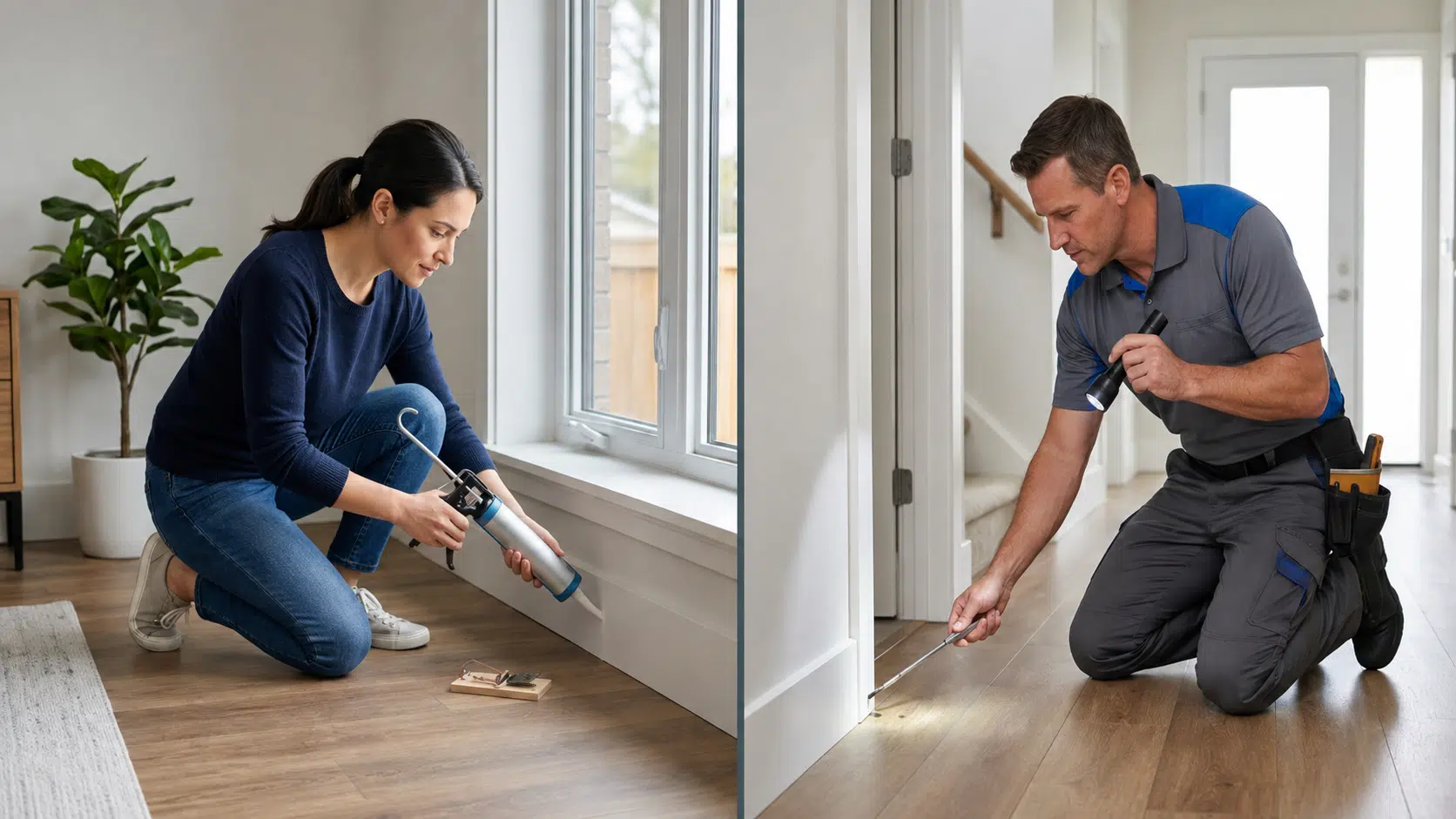
Pest problems can appear unexpectedly, leaving homeowners deciding whether to handle them independently or seek professional help. DIY pest control can be a practical option for simple concerns, while professional treatment offers expert knowledge and a structured approach for more persistent issues.
Understanding the differences can help homeowners choose the most suitable option for their needs. When expert assistance is preferred, a pest control service in Sacramento can provide a professional assessment and targeted solutions based on the type and extent of pest activity.
How Does DIY Pest Control Work?
DIY pest control involves using readily available products and preventive measures to manage pest activity around the home. Depending on the situation, homeowners may use traps, baits, sprays, or other products designed for specific pests.
For minor or occasional pest activity, these steps can be useful as part of regular home maintenance. Following product labels carefully and using treatments only as directed is important for achieving the intended results while maintaining a safe home environment.
What Does Professional Pest Control Involve?
Professional pest control begins with understanding the pest problem. A trained technician can inspect the property, identify signs of pest activity, and look for areas where pests may be entering, nesting, or finding food and moisture.
Based on the findings, the appropriate treatment can be selected and applied to the affected areas. Professional pest control may also include recommendations for reducing conditions that attract pests. Depending on the type of pest and the property, follow-up visits or ongoing monitoring may be recommended to support long-term control.
DIY Pest Control vs Professional Pest Control: Key Differences
Pest identification and inspection
With DIY pest control, homeowners typically identify the problem based on visible signs, such as seeing insects, finding droppings, or noticing damage. The inspection may focus on areas where pest activity is easiest to spot, which can be suitable for simple and noticeable concerns.
Professional pest control takes the inspection a step further by examining both visible and less obvious signs of activity. Technicians can look for potential entry points, hiding areas, nesting sites, and conditions that may be contributing to the problem, giving homeowners a clearer understanding of the situation.
Treatment options and application
DIY pest control gives homeowners access to products such as sprays, traps, and baits that are designed for common household pests. These products can be used as part of managing straightforward pest concerns when the label directions are followed carefully.
Professional pest control offers a more targeted treatment process based on the pest and conditions found during the inspection. Technicians can determine where treatment is needed and select suitable methods for the affected areas, helping create a more focused pest management plan.
Time and convenience
Handling pest control yourself means taking care of the process from start to finish. This may include identifying the pest, choosing a suitable product, applying it, and checking the area afterwards, making it a practical choice for homeowners who are comfortable managing minor concerns.
Professional service reduces the amount of work homeowners need to handle themselves. A trained technician can inspect the property, recommend appropriate treatment, and carry out the necessary work, giving homeowners a convenient way to address pest activity.
Long-term prevention
DIY pest control can help with basic prevention through regular cleaning, proper food storage, moisture control, and sealing visible gaps around the home. These simple habits can reduce common conditions that may attract pests.
For long-term pest prevention, professional pest control can provide a more structured solution. Technicians can identify factors contributing to recurring pest activity, apply targeted treatments, and recommend preventive measures tailored to the property, helping maintain a pest-free environment over time.
When Can DIY Pest Control Be a Practical Choice?
DIY pest control can be a practical choice when the pest issue is small, occasional, and easy to identify. For example, homeowners may choose DIY methods when they notice a few common household pests or want to take preventive steps.
The key is to match the DIY method to the situation. When pest activity is limited and manageable, following the product label and applying the treatment as directed can help homeowners address the concern while maintaining regular pest prevention around the property.
When Should You Consider Professional Pest Control?
Professional pest control can be a useful choice when pest activity continues, returns frequently, or becomes difficult to identify or manage. It may also be appropriate when pests are appearing in areas that are challenging to access, such as wall voids, attics, crawl spaces, or other hidden locations.
A professional assessment can help determine what is attracting the pests and where activity may be occurring. Homeowners who prefer expert guidance or want a structured treatment and prevention plan can also benefit from professional service.
Benefits of Choosing Professional Pest Control
Professional pest control offers several practical advantages for homeowners. Some of the key benefits include:
- Professional Inspection: Technicians examine areas where pests may be entering, hiding, or nesting, helping identify activity that may not be immediately visible.
- Accurate Pest Identification: Correctly identifying the pest helps determine the most appropriate treatment method and prevents unnecessary trial and error.
- Targeted Treatment: Professional services can focus treatment on affected areas and use methods suited to the specific pest and property conditions.
- Practical Prevention Advice: Homeowners can receive recommendations for reducing food sources, moisture, entry points, and other conditions that may encourage pest activity.
- Greater Convenience: Professional assistance takes care of the inspection and treatment process, saving homeowners time while providing expert guidance.
- Ongoing Pest Management: When needed, scheduled visits and monitoring can help address recurring activity and support continued protection.
Get Professional Pest Control Support From Calpro Pest Control
When pest activity becomes difficult to manage, professional help can make the process simpler and more straightforward. CalPro Pest Control provides pest control services tailored to the specific needs of each property, helping homeowners understand the source of the problem and choose an appropriate solution. Trained technicians can inspect the property, identify signs of pest activity, and recommend targeted treatments based on their findings.
Whether you are dealing with an existing pest problem or looking to prevent future activity, Calpro Pest Control focuses on practical pest management solutions that address current concerns while helping homeowners take steps toward long-term prevention.