 Skip to main content
How to Prepare Your Sacramento Home Before Rodents Seek Winter Shelter
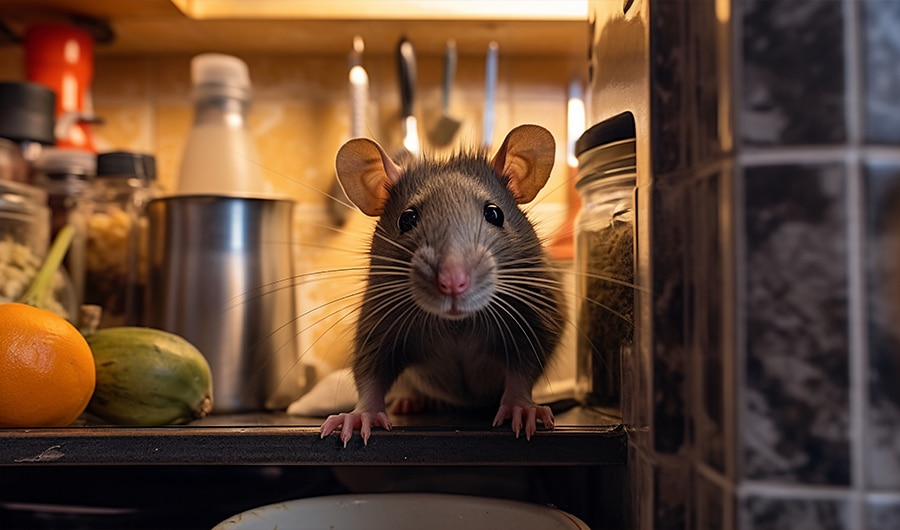
To prepare your Sacramento home before rodents seek winter shelter, focus on three key steps: seal all entry points using steel wool and caulk, eliminate food and water sources by storing items in sealed containers, and remove outdoor shelter by trimming vegetation and cleaning up debris. Starting this preparation in early September, before temperatures drop and drive mice and rats indoors, can save you from needing emergency rodent control in Sacramento later.
When fall hits Sacramento and those first rains start, rodents begin looking for warm places to spend the winter. Unfortunately, your house looks pretty appealing to them right about now. Getting ahead of this problem is easier than dealing with an infestation later.
Here’s the thing about Sacramento weather – it stays mild enough that rodents don’t hibernate like they do back east. But when it gets cooler, they want to move indoors where it’s warm and there’s food. A mouse can get through a hole the size of a dime, and rats only need about a quarter-sized opening. Once they’re in, they multiply fast.
Step 1: Find and Block Every Way In
You need to walk around your house like a detective, looking for cracks or gaps that could let rodents inside.
Outside Your House
Start down low and work your way up. Any cracks in your foundation or gaps in your siding must be filled. Use steel wool stuffed into the hole, then seal it with caulk or spray foam. Rodents hate chewing through steel wool – it hurts their teeth.
Look carefully at where pipes, cables, and wires go into your house. These spots almost always have gaps around them. Stuff them with steel wool or cover them with hardware cloth.
Check your roof vents and chimney. Put a fine mesh over any openings. Your chimney should have a cap with screening if it doesn’t already.
Walk around your garage door and push on the rubber weather stripping. If it’s cracked or pulls away easily, replace it. You can even buy weather stripping with built-in steel mesh.
Inside Your House
Pull your stove and fridge away from the wall. You might be surprised by what you find back there. Look for holes that go down to the crawl space or basement.
Go up to your attic and down to your basement with a flashlight. Look for small black droppings (rice-sized) or little gnaw marks on wood. These are dead giveaways that rodents are already using these spaces.
Check behind your cabinets and closets, especially in corners where walls meet.
Step 2: Cut Off Their Food and Water
Rodents come inside for two things: food and shelter. Take away the food; they’ll be much less interested in your place.
In Your Kitchen
Get some good storage containers with tight lids that you can’t pry open with your fingers. Move everything from cardboard boxes and plastic bags into these containers. Cereal, crackers, pet food, flour – anything rodents want to eat.
Wipe down your counters every night. Don’t leave dishes in the sink with food stuck on them. Even tiny crumbs are like a buffet to a mouse.
Put pet food away at night. Don’t leave water bowls sitting out either.
Fix that dripping faucet you’ve been ignoring. Check under sinks for leaks, too.
Outside
Make sure your trash cans have tight lids. Keep them away from your house if possible.
If you have bird feeders, regularly clean up the seeds that fall on the ground. Better yet, switch to hulled seeds that don’t leave shells everywhere.
Pick up fruit that falls from trees right away. Same with nuts.
Keep your outdoor grill clean after using it.
Step 3: Remove Places They Can Hide
Rodents like cluttered areas where they can build nests without being disturbed.
Trim back any tree branches or bushes that touch your house. Rodents, especially roof rats, use these like highways to get onto your roof.
Clean up piles of leaves, tall weeds, and other yard waste. These make perfect hiding spots.
If you stack firewood, keep it at least 20 feet from your house and get it up off the ground. Stack it neatly so there aren’t many little spaces for rodents to hide.
Clean out your gutters. Clogged gutters hold water and debris that rodents love.
Get rid of junk piles – old appliances, tires, lumber, anything that creates hiding spots.
When You Need Professional Help
Sometimes you do everything right and still end up with rodents. Or maybe you’re already hearing scratching in the walls at night. That’s when it makes sense to look into professional rodent control services.
Many Sacramento homeowners try DIY solutions first, but established infestations often require more than store-bought traps. If you’re dealing with ongoing rodent problems, rodent control specialists in Sacramento, CA have access to tools and techniques that work better than what you can buy at the hardware store.
At CalPro Pest Control, we see this stuff every day. We know where to look for entry points that homeowners miss. Roof rats are especially tricky around here because they’re good climbers and often get in through the roof. Most people never think about checking up there.
The key is finding rodent control in Sacramento that understands local pest patterns. Different neighborhoods see different types of rodents, and what works for roof rats might not work for Norway rats.
FAQs
Getting your house ready now saves you a lot of headaches later. Nobody wants to deal with rodents during the holidays, and taking these steps beats searching for emergency rodent control in Sacramento when the problem gets out of hand.